These 5 Japanese Idol Groups Basically Conquered TikTok While You Were Asleep
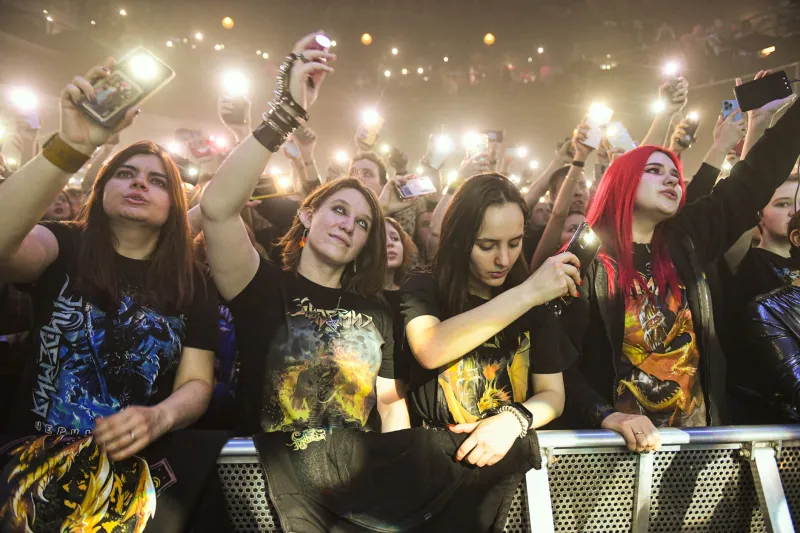
Somewhere between a dance challenge and a rabbit hole of "recommended for you" videos, American TikTok quietly became one of the most powerful launchpads for Japanese music acts. No billboard campaigns. No late-night TV appearances. No carefully orchestrated US debut strategy. Just a clip, a sound, and the beautiful chaos of the algorithm doing its thing.
We've been tracking this phenomenon here at VideoJepang for a while now, and what we've found is genuinely fascinating. These aren't the groups you'd find on a K-pop adjacent playlist or a mainstream J-pop roundup. These are acts that traveled a completely organic, fan-driven path to American audiences — and some of them have millions of US followers to show for it.
Buckle up. Here are five Japanese idol groups that went viral in America while most of us weren't paying attention.
1. FRUITS ZIPPER — Harajuku Energy That Broke the Algorithm
If you've spent any meaningful time on fashion or aesthetic TikTok, there's a decent chance a FRUITS ZIPPER clip crossed your screen at some point. This six-member group out of Tokyo leans hard into Harajuku street fashion, pairing it with an infectious, candy-colored pop sound that practically demands to be clipped and shared.
Their breakout moment in the US came largely through fashion creators who started using their music as background audio for outfit videos. Once the algorithm caught on that the sound was generating engagement, FRUITS ZIPPER clips started appearing in feeds far outside the J-pop niche. American teens who had never heard of Harajuku fashion suddenly had a new obsession, and the group's colorful, high-energy performances made for endlessly rewatchable content.
Their fan community in the US, while still relatively small compared to K-pop fandoms, is remarkably dedicated. Discord servers, fan translation accounts, and clip compilations have kept the momentum going well past the initial viral moment.
Their sound: Bubbly, fast-paced J-pop with a distinctly retro-cute aesthetic. Think cotton candy that somehow became a musical genre.
2. Idol College (アイドル大学) — The Underdog Story Nobody Saw Coming
If FRUITS ZIPPER is the colorful frontrunner, Idol College is the scrappy underdog that somehow keeps showing up in people's "you might like" feeds. This group operates on a much more grassroots level — smaller production budgets, regional Japanese roots, and a fanbase that treats discovering them like finding a hidden gem.
What pushed them onto American TikTok wasn't a single viral video but rather a slow accumulation of clips shared by fans who genuinely love the group's earnest, unpolished charm. There's something deeply appealing about watching performers who feel like real people rather than industry-manufactured products, and American viewers picked up on that energy fast.
Several US-based fan accounts have dedicated themselves to subtitling their variety show appearances and behind-the-scenes content, which has dramatically widened their reach. It's a textbook example of fan communities doing the heavy lifting that labels and management teams never could.
Their sound: Straightforward idol pop with genuine heart. Less production sheen, more personality.
3. Dempagumi.inc — The Nerdy, Chaotic Energy Americans Didn't Know They Needed
Okay, Dempagumi.inc has been around since 2008, so calling them a new discovery feels a little generous. But their TikTok resurgence among US audiences over the past couple of years is a real phenomenon worth talking about.
This group built their identity around otaku culture — anime, gaming, manga — which gave them an immediate in with the American anime fan community. When clips of their performances started circulating on anime-adjacent TikTok, the crossover appeal was instant. Here was a group that basically was the fandom, performing music that sounded like the inside of an arcade crossed with a J-pop radio station.
Their choreography, which involves a lot of synchronized chaos and genuinely difficult formations, became a popular subject for reaction videos. Watching American creators lose their minds over the precision and energy of a Dempagumi.inc live performance became its own micro-genre of content for a while.
Their sound: High-BPM, synth-heavy idol pop with strong anime soundtrack vibes. Absolutely unhinged in the best possible way.
4. =LOVE (Equal Love) — The Group That TikTok's Romance Fans Adopted
Produced by former AKB48 member Sashihara Rino, =LOVE came onto the US radar through a completely unexpected pipeline: romance and relationship content creators. Several of their music videos — which lean into dramatic, emotionally charged storytelling — got clipped and shared as background content for videos about crushes, heartbreak, and the general emotional turmoil of being a teenager.
The group's visual style, which sits somewhere between classic Japanese idol aesthetics and K-pop production values, translated extremely well to TikTok's image-conscious environment. American fans who found them through emotional content often stayed because of the music itself, which is genuinely strong by any standard.
=LOVE's US fanbase skews noticeably toward people who came in through the emotional/romantic content pipeline rather than through existing J-pop fandom — which makes them a fascinating case study in how algorithm-driven discovery creates completely unexpected audience demographics.
Their sound: Polished, emotionally resonant idol pop with strong narrative music videos. Bring tissues, just in case.
5. Nijicon (虹色のコンキスタドール) — The One That Game Creators Accidentally Made Famous
Nijicon's path to American TikTok fame might be the most unexpected on this list. Their music ended up being used in a wave of gaming and speedrun content, largely because the high-energy, triumphant quality of their sound matched perfectly with highlight clips and victory montages.
Creators who had zero interest in Japanese idol music were suddenly using Nijicon tracks as background audio, and the group's name started appearing in comment sections with increasing frequency. "What's this song?" became a gateway question that led thousands of American viewers to their actual music videos and performances.
The gaming community's embrace of Nijicon created a fanbase that's genuinely unlike anything the group probably anticipated — a lot of American gamers who now consider themselves fans of a Japanese idol group they found through a Minecraft clip. The internet remains a beautiful and deeply strange place.
Their sound: Energetic, victory-lap idol pop that sounds like a final boss fight you actually won.
The Bigger Picture
What ties all five of these groups together isn't a shared sound or style — it's the route they took to get here. No US label backing. No traditional media push. Just content, community, and the beautiful unpredictability of an algorithm that occasionally does something genuinely great.
For Japanese idol groups navigating an industry that has historically struggled to break into Western markets, TikTok represents something genuinely new: a level playing field where charisma and content quality matter more than marketing budgets. And for American fans, it means the discovery pipeline for incredible Japanese music has never been wider.
Now if you'll excuse us, we have some TikTok rabbit holes to fall down — strictly for research purposes, obviously.