From Pixels to Streetwear: How Anime Character Design Took Over Gaming Fashion
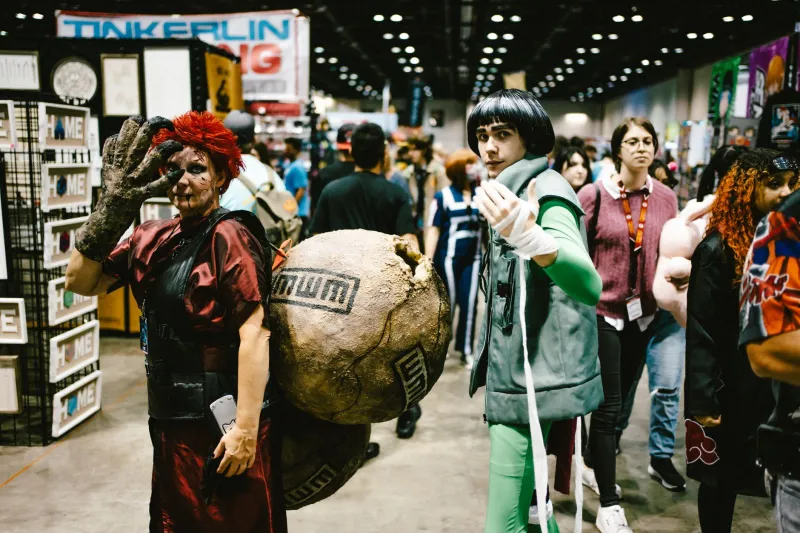
Somewhere between a late-night gaming session and a Target run, something strange happened to American fashion. Hoodies started sprouting kanji. Sneaker colorways started looking suspiciously like a certain silver-haired swordsman's color palette. And convention halls transformed into the most genuinely stylish places in any given city. Anime character design didn't just influence gaming culture — it staged a full hostile takeover, and the receipts are everywhere.
The Drip Was Always There, We Just Finally Noticed
Let's be honest: anime characters have always been dressed better than the rest of us. While we were out here wearing cargo shorts and forgetting belt loops exist, characters like 2B from NieR: Automata were rocking blindfolds and gothic lolita combat gear with an effortless confidence that no human being has ever achieved in real life. Tifa Lockhart's updated design in Final Fantasy VII Remake sparked genuine fashion discourse. People weren't just talking about her as a character — they were talking about the specific cut of her top, the way her gloves worked as an aesthetic statement, the vibe.
That's the thing about Japanese character design: it's deliberate in a way that Western game design often isn't. Every stitch means something. Every color choice carries emotional weight. Designers at studios like Square Enix, Atlus, and Arc System Works treat character outfits almost like costume design for a prestige film. And American gamers — who have always been hungry for style and identity — picked up on that energy hard.
The Characters Who Became Actual Style Icons
If you want a ground zero moment, look no further than the absolutely unhinged cultural impact of Persona 5. Joker's black-and-red phantom thief aesthetic didn't just make him a beloved protagonist — it made him a look. The long coat, the white gloves, the Arsène mask: within months of the game's Western release, cosplay tutorials were everywhere, fan art was flooding Tumblr and Twitter, and streetwear brands started quietly releasing pieces that were definitely, absolutely, no question inspired by that energy.
Then there's Jinx from Arcane, which technically bridges the anime-adjacent animation space — and her chaotic blue-braids-and-goggles aesthetic became one of the most replicated looks at every major convention from 2021 onward. Riot Games leaned into it hard, collaborating with actual streetwear labels to produce merch that people genuinely wear outside of their bedrooms.
And we cannot — cannot — talk about gaming fashion without bowing respectfully in the direction of the entire Genshin Impact roster. HoYoverse essentially said "what if every single playable character was dressed for a fashion week runway" and the community responded by spending genuinely alarming amounts of money on merchandise, body pillows, and cosplay materials. Hu Tao's funeral parlor chic. Zhongli's immaculate three-piece-suit-meets-ancient-god energy. Raiden Shogun's purple-and-gold imperial severity. These aren't just character designs — they're aesthetic movements.
Why American Gamers Can't Stop Cosplaying Japanese Designs
Here's the real question: why does this keep happening? Why do American gamers, who have plenty of homegrown franchises to obsess over, consistently gravitate toward Japanese character aesthetics when it comes to cosplay, fashion inspiration, and community identity?
Part of it is the sheer visual density of Japanese design. American game characters often aim for relatability or realism. Japanese character design aims for iconography. Cloud Strife's sword is too big. Zero Suit Samus is too sleek. Bayonetta's hair-as-clothing concept is too conceptually wild. These designs aren't trying to blend in — they're trying to burn themselves into your memory forever, and they succeed.
The other factor is the community ritual around it. Cosplaying a Japanese game character isn't just dress-up — it's a declaration of belonging. You show up to PAX or Anime Expo in a full Demon Slayer Tanjiro fit and you instantly have fifty new friends. The shared language of these designs creates community in a way that's genuinely hard to replicate with, say, a Guy Fieri shirt.
Merchandise Culture and the Economy of Drip
The fashion influence doesn't stop at cosplay. The official merchandise game has gotten genuinely sophisticated. Brands like Uniqlo have been running UT (Uniqlo T-shirt) collaborations with anime and gaming franchises for years, and those drops hit different in the US. When a Demon Slayer or Jujutsu Kaisen Uniqlo collection drops, the graphic tees sell out faster than most "hype" streetwear releases. That's not a niche thing anymore — that's mainstream retail behavior.
Smaller independent brands have built entire identities around anime-inspired design. Streetwear labels in cities like LA and New York regularly drop pieces that wear their anime influences openly, blending Japanese aesthetics with American streetwear sensibilities. It's a fusion genre now, and it has its own dedicated consumer base that spans from hardcore anime fans to people who've never watched a single episode but just think the aesthetic is genuinely cool.
The Design Philosophy That Makes It Stick
What separates a character design that becomes a cultural fashion moment from one that just... exists? The answer usually comes down to what designers call "silhouette readability" — the ability to recognize a character from their shape alone, before you can even make out the details. Sailor Moon's odango hairstyle. Naruto's orange tracksuit. Sephiroth's single silver wing. These are not accidents. They're the result of designers who understood that a truly iconic look needs to work as a shadow, a sticker, a two-inch enamel pin.
American fashion has always loved a strong silhouette, which is probably why these designs translate so well into actual wearable pieces. When you put a stylized Totoro on a bucket hat, it reads instantly. When a hoodie references Evangelion's color palette, fans recognize it before they even process why. That instant recognition is the engine of the whole phenomenon.
What Comes Next
The pipeline from "anime character drip" to "actual fashion trend" is only getting shorter. Collaborations between Japanese IP holders and Western fashion brands are accelerating. The lines between gaming, anime, and streetwear are dissolving into something genuinely new — a visual culture that's fluent in both worlds simultaneously.
And somewhere out there, a character designer at a studio in Tokyo is sketching out a coat with an unusual silhouette, picking a color combination that shouldn't work but absolutely does, and accidentally creating the look that three million American gamers will be recreating in their bedrooms by this time next year.
Honestly? Can't wait.