Giant Robots Are Back, Baby: Why Mecha Anime Is Taking Over American Screens Right Now
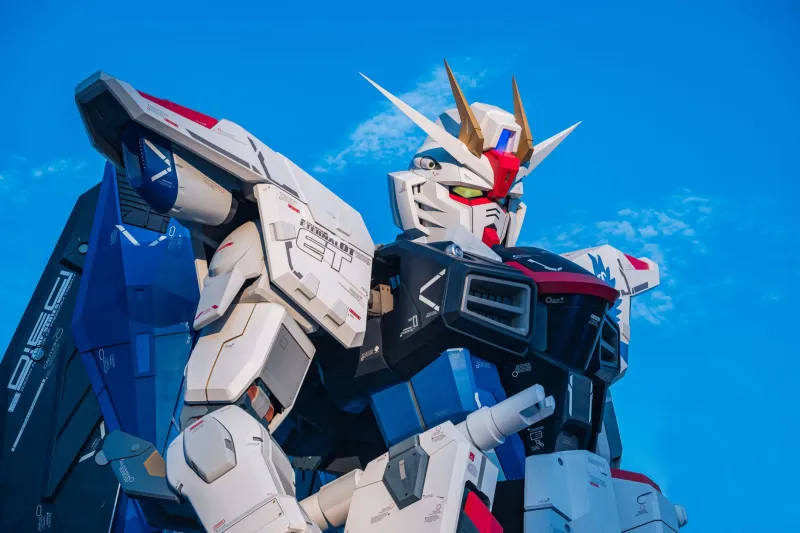
Let's set the scene. You're scrolling through your streaming app at midnight, half-committed to rewatching something comfortable, when the algorithm serves you a thumbnail of an enormous mechanical humanoid standing in a ruined cityscape with the tagline: "What does it mean to pilot your own destruction?" You click it. Six hours later, the sun is coming up and you're on Reddit trying to find people to argue about philosophy with.
Welcome to mecha anime. It's been waiting for you.
The genre has been a cornerstone of Japanese pop culture since the 1970s, but in the United States it's always occupied a slightly awkward middle space — beloved by hardcore fans, intimidating to newcomers, and perpetually one step away from its mainstream breakthrough. That step? It looks like it's finally happening. And we at VideoJepang are here for every single enormous, city-stomping second of it.
A Very Brief History of Giant Robots in America (Bear With Us)
American kids of a certain age got their first taste of mecha through Voltron and Robotech in the '80s — heavily edited, localized versions of Japanese series that smoothed over the complicated bits. Then Mobile Suit Gundam started making its way over in the early 2000s, and a more dedicated fanbase began to form around the genre's actual depth and ambition.
But for a long time, mecha remained a fandom-within-a-fandom situation. You had to seek it out. You had to be willing to do homework. The genre's reputation for dense lore, philosophical monologuing, and occasionally baffling plot decisions (looking at you, Neon Genesis Evangelion final episodes) kept a lot of casual viewers at arm's length.
So what changed?
Streaming Algorithms Did Something Right for Once
Here's an unlikely hero in the mecha resurgence story: Netflix. When Neon Genesis Evangelion landed on the platform in 2019, it introduced one of the most influential — and genuinely weird — anime series ever made to an entire generation of viewers who had never encountered it before. The response was enormous. Memes, discourse, think-pieces, and an avalanche of new fans trying to figure out what exactly they had just watched.
That moment proved something important: American audiences weren't afraid of challenging, cerebral mecha content. They just needed an easy on-ramp.
Since then, streaming platforms have been more aggressive about surfacing mecha titles. Gurren Lagann has found new life on Crunchyroll with younger viewers who are discovering its gloriously over-the-top energy for the first time. Code Geass, which sits right at the intersection of mecha action and political thriller, keeps cycling back into recommendation queues. And newer series like 86 — Eighty Six — a recent entry that deals with themes of systemic discrimination and military ethics through its mecha framework — have been breaking through to audiences who wouldn't have described themselves as mecha fans six months prior.
The Gaming Pipeline Is Real
You cannot talk about mecha's American moment without talking about gaming. The Armored Core franchise, which had been dormant for nearly a decade, came roaring back with Armored Core VI: Fires of Rubicon in 2023, and the response from both the gaming community and the broader anime fanbase was massive. Players who had never watched a single mecha anime were suddenly asking what shows they should check out. The crossover traffic between gaming culture and anime viewership is genuinely significant, and mecha sits right at that intersection.
Gundam mobile games have also been quietly building US audiences for years, and franchise events tied to model kit releases (Gunpla — Gundam plastic models — have become a full-blown hobby subculture stateside) keep funneling new viewers toward the actual anime.
Then there's the broader influence of mecha aesthetics on games like Titanfall, Anthem, and various RPGs that have borrowed heavily from the genre's visual language. American gamers have been marinating in mecha aesthetics for years without necessarily watching the source material. The leap to actually sitting down with a Gundam series is getting shorter.
Cosplay Culture and the Convention Effect
Walk through the floor of any major American anime convention right now — Anime Expo, Otakon, Anime NYC — and you'll see mecha representation at a level that would have seemed unlikely five years ago. The elaborate, often stunning mecha-inspired cosplay builds that show up at these events aren't just impressive craftwork; they're cultural signals about what's resonating.
Mecha designs lend themselves to ambitious cosplay in a way that rewards the maker community. Building a functional-looking Evangelion unit costume or a Gundam suit is a project, a flex, and a statement all at once. And when those builds go viral on social media — which they do, regularly — they pull more curious viewers toward the source material.
What the Genre Actually Offers (Besides Giant Robots Punching Each Other)
Here's the thing that casual American viewers sometimes don't expect: the best mecha anime is genuinely about something. The robots are almost never the point.
Neon Genesis Evangelion is about depression, identity, and the terror of human connection. Mobile Suit Gundam: The Witch from Mercury — the most recent mainline Gundam entry, which premiered in 2022 — deals with corporate exploitation, inherited trauma, and queer identity in ways that feel startlingly contemporary. Darling in the FranXX explores adolescence and existential purpose (with varying degrees of success, but the ambition is there). Even the more action-forward series like Gurren Lagann are fundamentally about belief, willpower, and what it means to fight for a future you might not live to see.
This philosophical density, which once scared off casual viewers, is increasingly a selling point. American audiences who grew up on complex TV dramas and prestige streaming content are more equipped than ever to engage with layered, thematically ambitious storytelling — even when it's delivered via a teenager in a giant robot screaming about the human spirit.
The Mecha Series Worth Starting With Right Now
If you're newly curious (or newly converted), here's a completely non-exhaustive, highly opinionated starting point:
- Gurren Lagann — Pure, uncut enthusiasm. The most fun you can have with a mecha series without doing any homework first.
- Neon Genesis Evangelion — The one everyone references. Watch it, be confused, watch it again.
- 86 — Eighty Six — The most accessible recent entry. Emotionally devastating. Great animation.
- Gundam: The Witch from Mercury — The current Gundam series, and a fantastic entry point for new viewers.
- Code Geass — If you want your mecha with a side of chess-based political scheming and a protagonist of questionable moral standing.
The Moment Is Now
Mecha anime has always deserved a bigger American audience. The genre's combination of spectacular action, genuine philosophical ambition, and the kind of emotional storytelling that Japanese animation does better than almost anyone else is a package deal that's hard to beat. The infrastructure is finally in place — the streaming access, the gaming crossovers, the convention culture — to make it happen.
So if the algorithm puts a giant robot in your queue tonight, maybe let it.
We'll be right here when you emerge from the other side, emotionally altered and ready to buy a Gunpla kit.