Anime OPs Have Become Full-Blown Cultural Events and Nobody Is Surprised Anymore
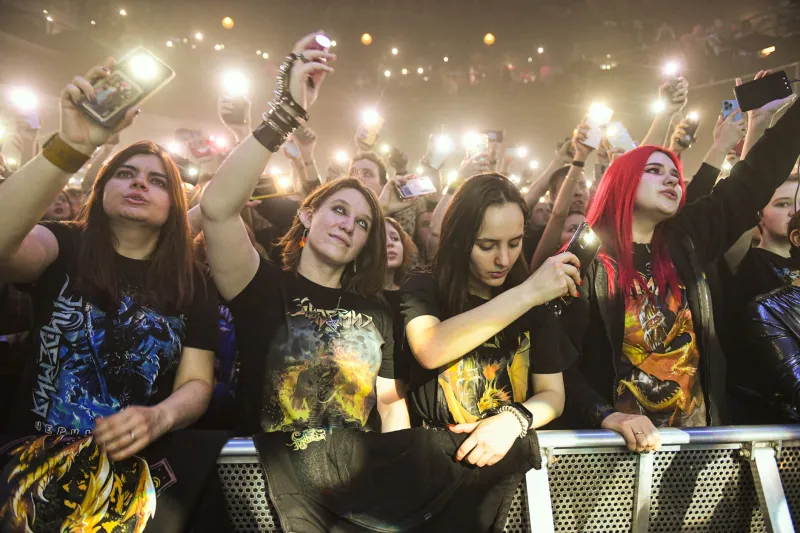
Let's set the scene. It's a Sunday night. A new anime season has just kicked off. Somewhere between 11 PM and midnight, a sixty-second clip appears on YouTube and Twitter simultaneously — the opening sequence for the most anticipated show of the season. Within four hours, it has two million views. Within twelve, there are fan edits, frame-by-frame breakdowns, and at least three Reddit threads arguing about what the imagery foreshadows. By Monday morning, the song is charting on Spotify in multiple countries.
This is not a hypothetical. This is just what happens now.
Anime opening sequences — OPs, in fan shorthand — have quietly evolved from functional show introductions into genuine cultural events. And if you haven't been paying attention to this particular corner of pop culture, you've been missing one of the more fascinating creative phenomena of the last decade.
From Skippable to Sacred
The streaming era handed us a skip button, and we used it enthusiastically on everything. Intros, credits, recap segments — all casualties of the fast-forward culture. So it's genuinely remarkable that anime OPs have bucked this trend so completely. Fans don't just tolerate them; they wait for them. They rewatch them. They study them.
Part of this is because the modern anime OP has become its own art form with its own grammar and traditions. A well-constructed opening does several things simultaneously: it establishes tone, teases plot without spoiling it, introduces or recontextualizes characters, and delivers a song that has to work both as a standalone track and as emotional scaffolding for the show it represents. That's an insane creative brief for ninety seconds of content, and the best OPs nail all of it.
Think about the Attack on Titan openings — particularly "Guren no Yumiya" and "My War" — which didn't just introduce seasons but functionally became anthems for entire cultural moments. Or the Demon Slayer OP that made LiSA a household name in anime circles stateside. Or the Jujutsu Kaisen Season 2 opening that had people losing their minds over visual callbacks before the relevant episodes even aired.
The Music Industry Connection
Here's something that doesn't get enough credit: the anime OP has become a legitimate career launchpad for Japanese artists, and the music industry has fully noticed.
Landing an OP slot for a major anime is now roughly equivalent to getting a sync license for a Super Bowl commercial — it's a visibility multiplier that can take an artist from niche to international overnight. Artists like Kenshi Yonezu, YOASOBI, Ado, and King Gnu have all seen their global profiles explode in direct correlation with anime tie-ins. YOASOBI's "Idol" for Oshi no Ko didn't just perform well — it became one of the most-streamed Japanese songs in Spotify history, driven almost entirely by its role as an anime opening.
Record labels have adjusted their strategies accordingly. Getting an artist on an OP isn't charity or a side project anymore — it's a deliberate international marketing play. And for US fans, this creates an interesting pipeline: the OP becomes the gateway to an artist's wider catalog, which is why J-Pop has seen such a meaningful uptick in American streaming numbers over the last several years.
TikTok and the OP Drop Phenomenon
If streaming platforms gave OPs a bigger audience, TikTok gave them a cultural lifecycle.
The pattern now is almost ritualized. An OP drops — either officially or via a fan recording from a live broadcast — and within hours, TikTok is flooded with reaction videos, "waiting for my favorite part" clips, and dance covers of the most kinetic visual moments. The algorithm rewards this content heavily because it drives engagement, which means the OP gets amplified far beyond the existing fanbase and into the general entertainment audience.
The Chainsaw Man OP discourse is a perfect case study. Each episode of the first season had a different opening sequence, created by different animation studios. This was a genuinely wild creative decision, and TikTok turned every single weekly OP drop into its own event. People weren't just watching the show — they were scheduling time to react to the opening. That's a level of engagement that TV networks spend millions trying to manufacture and mostly fail at.
YouTube has its own role here, particularly through the long-tail effect. An OP from a show that aired five years ago can suddenly trend again because a popular creator made a video about it, or because a clip went viral, or because a new season announcement reminded everyone the song existed. The Neon Genesis Evangelion OP "A Cruel Angel's Thesis" has been algorithmically rediscovered so many times it's practically a perennial chart entry at this point.
The Frame-by-Frame Fan Economy
One of the most distinctive things about anime OP culture is the analytical energy fans bring to it. These sequences get treated like puzzle boxes, and the community approaches them with genuine academic rigor.
Major anime YouTube channels — some with subscriber counts that would make mainstream entertainment journalists jealous — produce multi-part breakdown videos for single OPs, analyzing color symbolism, character positioning, visual motifs, and narrative foreshadowing. Channels like Mother's Basement essentially built their brand on this format, and the audience appetite for it remains enormous.
This analytical culture has a feedback loop effect on the creators themselves. Anime studios and directors are aware that their OPs will be dissected frame by frame, so they intentionally layer in hidden details, symbolic imagery, and foreshadowing that rewards close viewing. It's collaborative storytelling across a parasocial distance — creators leaving Easter eggs for an audience they know will find them.
Why This Matters Beyond the Fandom
Zoom out for a second and consider what's actually happening here. In an era of infinite content and shrinking attention spans, a ninety-second animated sequence is generating the kind of anticipation, communal experience, and post-release discussion that the entertainment industry has been desperately chasing for years.
The Super Bowl halftime show comparison isn't just a fun exaggeration — it's structurally accurate. Both are short-form spectacles attached to larger events. Both generate as much pre-event anticipation as the event itself. Both are immediately dissected, ranked, and debated by a massive online audience. And both have evolved from functional components into standalone cultural moments that transcend their original context.
The difference is that anime OPs happen multiple times per season, for dozens of shows, with a creative diversity that no single halftime show could match.
So the next time a new season kicks off and you find yourself refreshing YouTube at midnight waiting for an OP to drop — you're not being weird. You're participating in one of the genuinely interesting pop culture rituals of our current moment. VideoJepang sees you, and we're refreshing right alongside you.